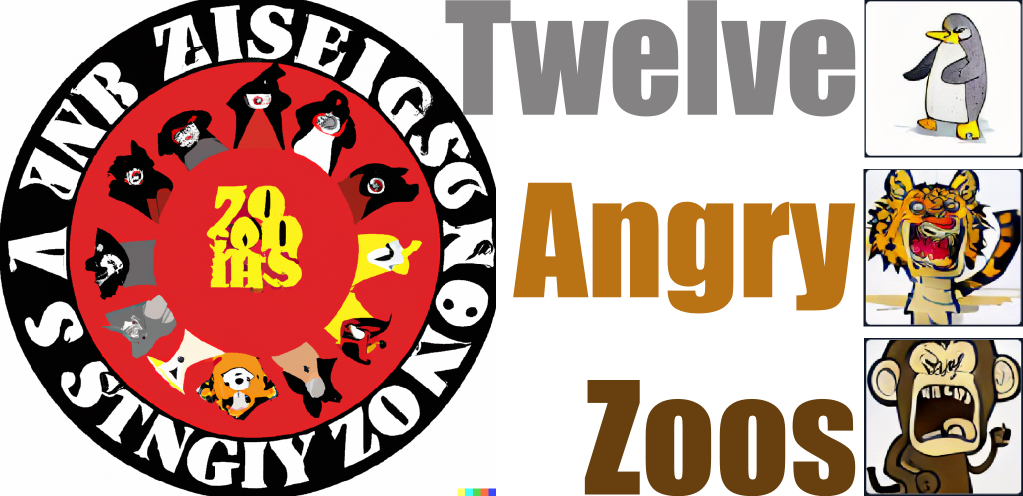
I asked OpenAI’s GPT-3 to generate 31 different videogame ideas, one for each day of Blaugust, each dealing in some way with that particular day of the month. Here’s its idea for August 12th: “Twelve Angry Zoos”.
 Tipa
Tipa
11/11/11: The Thousand Year Second
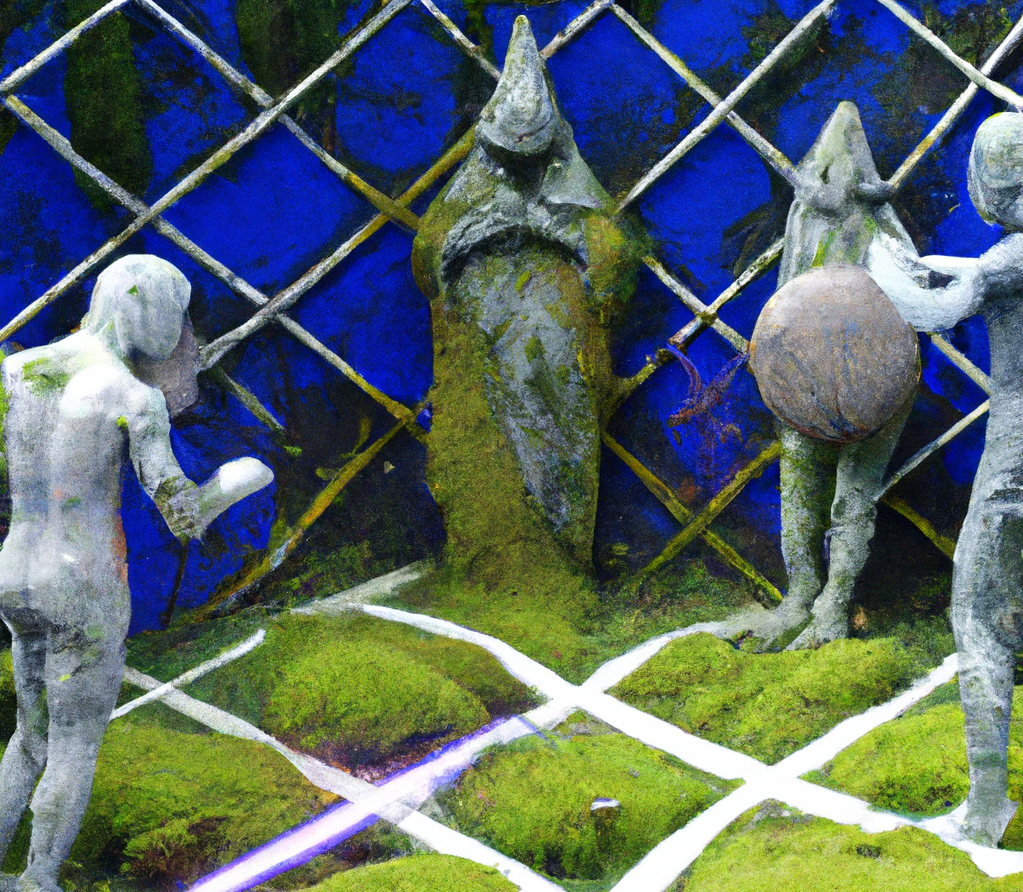
I asked OpenAI’s GPT-3 to generate 31 different videogame ideas, one for each day of Blaugust, each dealing in some way with that particular day of the month. Here’s its idea for August 11th: “11/11/11: The Thousand Year Second”.
10 Million B.C.: An open-world action RPG set in the time of the dinosaurs
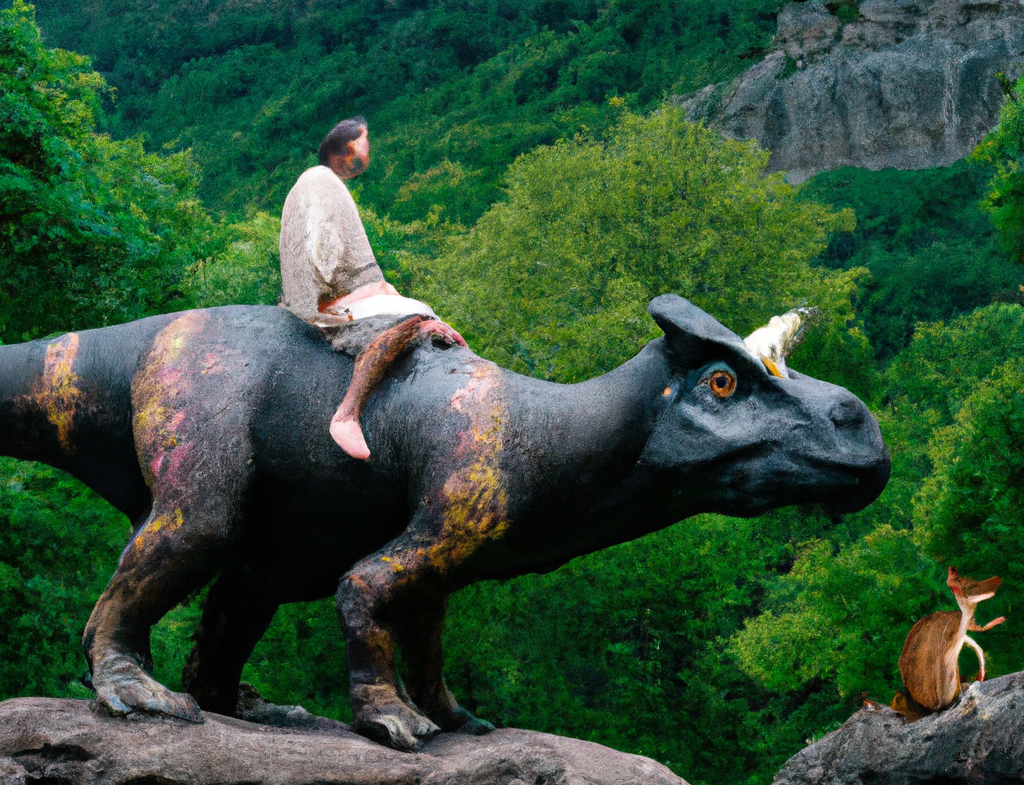
I asked OpenAI’s GPT-3 to generate 31 different videogame ideas, one for each day of Blaugust, each dealing in some way with that particular day of the month. Here’s its idea for August 10th: “10 Million B.C.”.
Game Night, by Shakespeare, Renoir and OpenAI
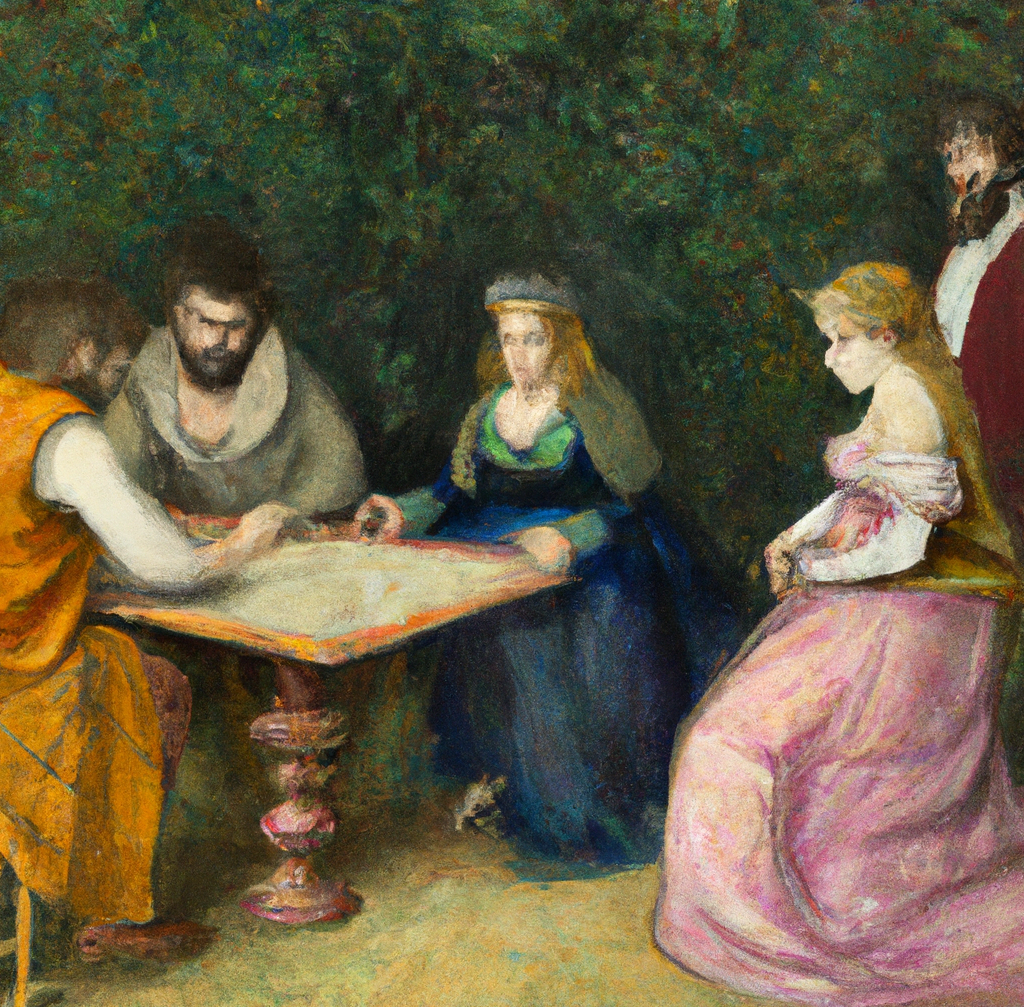
If I’ve scheduled this right, this should be going live right about the time people are arriving for Game Night. With the help of Open AI, I wrote a short play we can perform about deciding what to order out for dinner. We’ll see if I have the guts to actually insist people perform it, but… who knows…
The Nine-Lives Chronicles
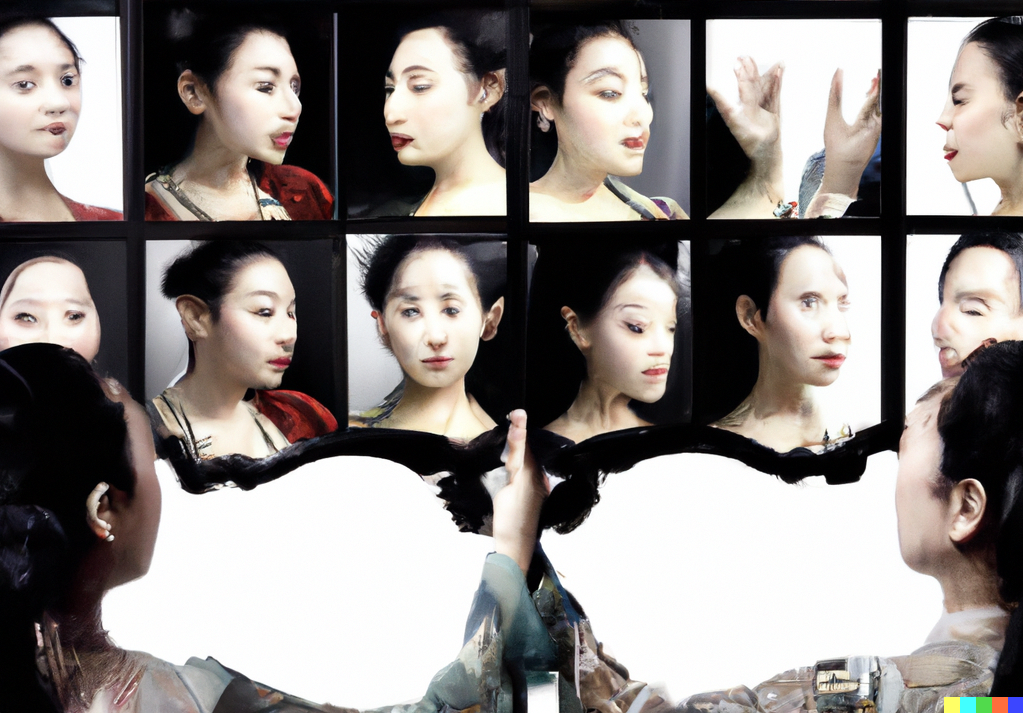
I asked OpenAI’s GPT-3 to generate 31 different videogame ideas, one for each day of Blaugust, each dealing in some way with that particular day of the month. Here’s its idea for August 9th, “The Nine-Lives Chronicles”.